
๐Ÿ“ž Call for a Free Quote: (305) 501-6723

Squirrel Removal in Plano, TX

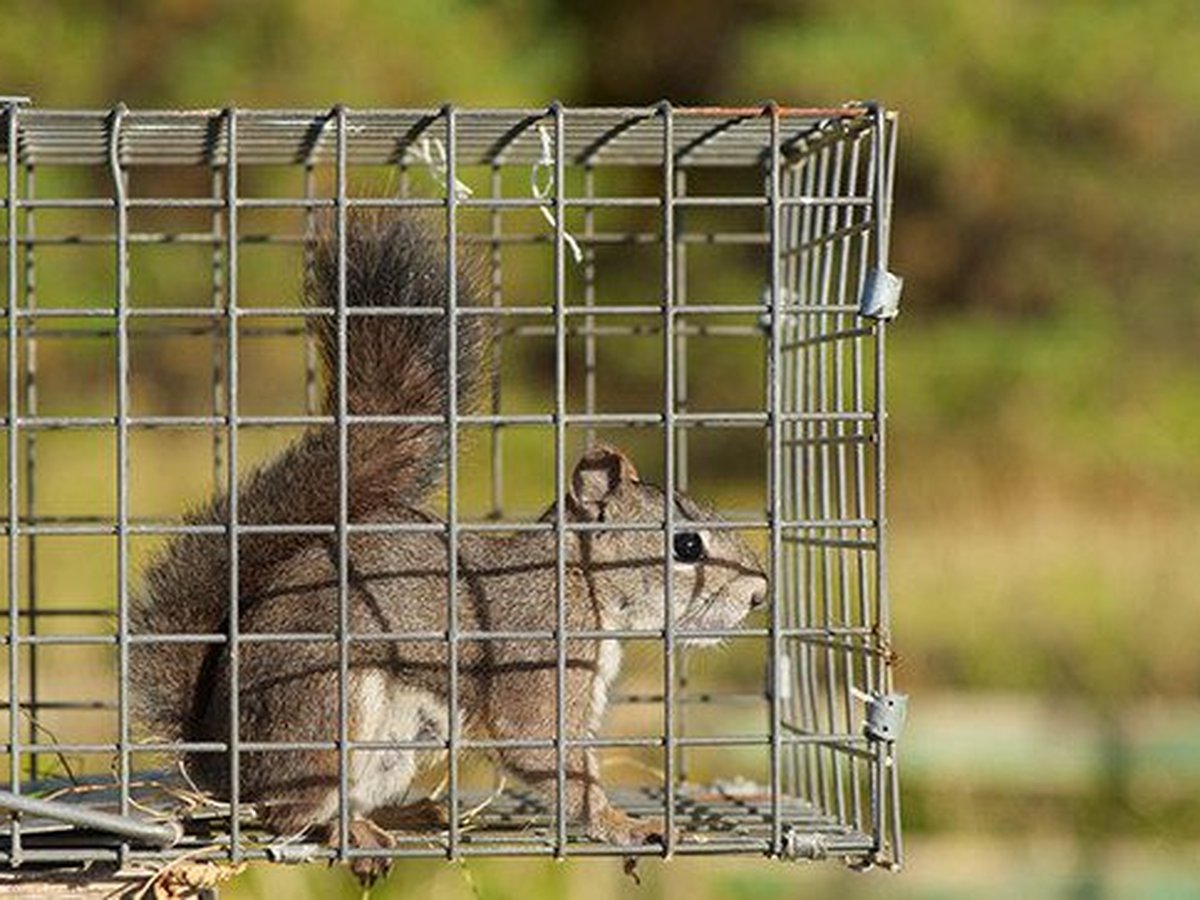
Squirrel exclusion one-way door installed on a Plano, TX roofline

Plano's tree-lined older neighborhoods and the mature oaks and pecans around Willow Bend and Historic Downtown give squirrels a direct route from the canopy onto a roofline, and that's exactly how most attic squirrel problems start here โ€” not through a foundation gap, but from a jump onto the roof followed by a chewed hole in fascia or soffit. Both fox squirrels and Eastern gray squirrels are common across North Texas, and unlike rats and mice, they're active during the day, so most homeowners hear them differently โ€” heavy scampering, thumping, or rolling sounds overhead in daylight hours, especially early morning and evening, which is usually the first clue it's a squirrel rather than a rat.

Squirrels get into attics through gaps in fascia boards, damaged soffit panels, gable vents, or a roof-to-wall seam that's opened up over time, and a mother squirrel will often chew a hole specifically to create a denning spot for a litter rather than simply using an existing gap. Because pups too young to leave the nest can be present, our removal method uses a one-way exclusion door wherever possible โ€” a device that lets animals leave on their own schedule to forage but not re-enter, rather than trapping and potentially separating a mother from pups still inside, which would leave them to die in the attic and create a much bigger cleanup and odor problem later.

Once the attic is confirmed clear, we seal the entry point and any other vulnerable roofline gaps with heavy-gauge material squirrels can't chew through, and check for damaged wiring or insulation while we're up there. Squirrel activity peaks during two breeding seasons โ€” late winter and again in mid-to-late summer โ€” so calls in Plano tend to cluster around both, with a smaller wave in between as young squirrels from the first litter start exploring rooflines on their own.

Beyond the noise and nesting, squirrels chew wiring and compress or soil insulation the same way rats do, and a job that started as a simple exclusion sometimes turns up enough attic damage to warrant a cleanup and re-insulation pass once the animals are confirmed gone.

We also see the occasional flying squirrel case in Plano, though far less often than fox or gray squirrels โ€” a smaller, strictly nocturnal species that tends to move in colonies rather than a single family, which can make an infestation seem more like a rat or mouse problem by the sound alone until an inspection turns up the truth. Call (305) 501-6723 for a roofline and attic inspection.

๐Ÿ“ž Call (305) 501-6723

Request This Service

* Indicates required field

Squirrels vs. Rats in the Attic

Squirrels and roof rats can sound similar from below, but the pattern is different โ€” squirrels are active in daylight, especially early morning and near dusk, and move heavily enough to sound like something rolling across the attic floor rather than lighter scratching. Rats are nocturnal and tend to sound like scratching or lighter scurrying after dark, usually along a joist rather than in an open rolling motion. Squirrel gnaw marks are also larger and more pronounced than rodent gnaw damage, since a squirrel's front teeth are noticeably bigger than a rat's or mouse's, and the entry hole they leave behind is typically bigger too, often visible from the ground with binoculars once you know where to look.

How Squirrels Get Onto the Roof

Plano's mature tree canopy in neighborhoods like Willow Bend, Old Downtown, and along the Chisholm Trail is the biggest factor โ€” overhanging limbs put a roofline within easy jumping distance of a squirrel's normal travel route, and power lines running from the street give them a second path even where trees have been trimmed back from the house itself. From the roof, they work damaged fascia, gaps in soffit panels, gable vents, and any roof-to-wall seam that's separated slightly over time, sometimes deliberately enlarging a small gap into a nesting hole rather than using one that's already the right size.

One-Way Exclusion Doors

Because a mother squirrel may have a litter of pups too young to leave the nest on their own, we install one-way exclusion doors at the entry point wherever the situation allows โ€” a device that lets animals exit to forage but not return, so the attic clears naturally over several days rather than trapping animals inside or separating a mother from pups still in the nest, which is both inhumane and likely to create a dead-animal odor problem inside the attic within a week or two.

Confirming the Attic Is Clear Before Sealing

We don't seal the final entry point until we're confident activity has genuinely stopped, checking for continued sound, fresh debris at the one-way door, or any sign pups are still inside waiting on a mother who hasn't returned. Sealing too early risks trapping an animal inside permanently, which turns a manageable job into a much worse odor and cleanup situation a few weeks later โ€” so we'd rather take an extra day or two of monitoring than rush the final seal.

Sealing Rooflines Against Squirrels

Squirrels chew through lighter materials easily, so roofline exclusion uses heavier-gauge hardware cloth and metal flashing than a typical mouse-sized gap would need. We check the entire roofline while we're up there, not just the confirmed entry point, since a squirrel active for a while has often tested more than one spot along the fascia or soffit, and leaving a second weak point unsealed just means a new squirrel finds it within the season.

Preventing Squirrels Long-Term

Trimming tree limbs back several feet from the roofline, capping chimneys with a proper spark-arrestor cap, and screening gable and roof vents with squirrel-rated mesh are the most effective long-term deterrents. We point out specific opportunities on your property during the inspection rather than giving generic advice that may not apply to your particular roofline, tree cover, or proximity to power lines, since a solution that works on one house in Willow Bend might not be practical on a different lot layout a few streets over.

Chimneys and Other Overlooked Squirrel Entry Points

An uncapped chimney is one of the most common squirrel entry routes we find on older Plano homes, since a chimney flue looks and feels like a hollow tree to an animal looking for a den site, and it's easy for a homeowner to overlook since nobody's looking up a chimney regularly. Bathroom and kitchen exhaust vents, dryer vents without a working flap, and gaps around rooftop HVAC penetrations are other routes squirrels use just as readily as a fascia gap, and we check all of them during a squirrel inspection rather than stopping once the obvious roofline entry point is found.

What Squirrel Removal Costs

Cost depends on the number of entry points found, whether a litter is present requiring a one-way door and a wait-and-confirm approach rather than a single quick seal, and how much roofline exclusion material is needed to cover the vulnerable area. We quote the one-way door and monitoring phase separately from the final sealing and any related attic cleanup, so you can see exactly where the cost is coming from at each stage of a job that can stretch over more than one visit.

Licensed for Wildlife Exclusion

Squirrel work sits at the intersection of pest control and wildlife handling, and our technicians are trained specifically in humane exclusion methods like one-way doors rather than trapping and relocating, which is both less effective long-term and, for certain situations, regulated under Texas wildlife law. We follow the applicable state regulations for every squirrel job and can provide documentation of our licensing to an HOA or property manager who requires it before authorizing roofline work.

Squirrels in Attics vs. Squirrels in the Yard

A squirrel visible in the yard or running along a fence line during the day is normal and not something to be concerned about โ€” the service we provide targets squirrels that have actually established a nest inside the attic or a wall void, not the general squirrel population living in the neighborhood's trees. We'll always confirm actual interior access and nesting before recommending any exclusion work, rather than treating ordinary yard activity as a problem that needs a paid service call.

Areas We Serve

Proudly providing rodent control across the region:

Get Squirrel Removal in Plano Today

Fast response, upfront pricing, and friendly local pros. Call now for a free quote.

๐Ÿ“ž Call (305) 501-6723