
๐Ÿ“ž Call for a Free Quote: (305) 501-6723

Rodent Trapping Services in Plano, TX

Snap trap set along an attic joist during rodent trapping service in Plano, TX

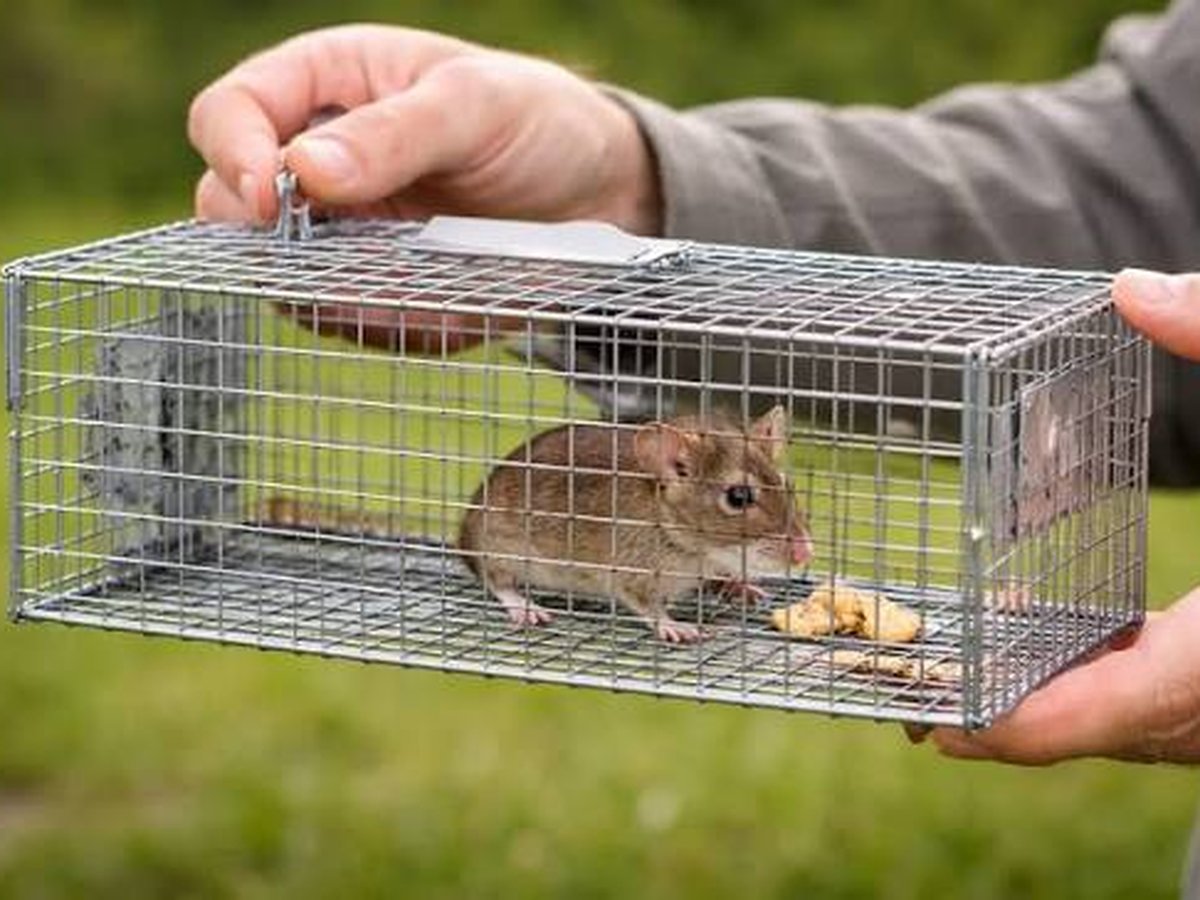
Trapping sounds simple until you're the one doing it โ€” placement, trap type, and follow-through matter far more than how many traps you set, and most of the DIY trapping attempts we get called in to fix eventually got that backwards. We run trapping programs across Plano and Collin County using mechanical snap traps, electronic traps for sensitive indoor spots like a pantry or nursery, and enclosed tamper-resistant bait stations for outdoor perimeter work on properties with pets or small children.

On a slab home, activity tends to concentrate in two places: attic joists and roofline access points, where roof rats, mice, and sometimes squirrels travel, and ground-level spots like AC condenser pads, fence lines, and garage corners, where Norway rats and mice work the exterior. Rats and mice are neophobic โ€” cautious around new objects โ€” so a trap dropped in the open middle of a garage floor often sits untouched for weeks, while the same trap tucked against the wall where rodents actually travel gets sprung the first night. We map activity from droppings, rub marks, and gnaw damage first, then place traps directly on those paths rather than guessing based on where it's convenient to check them.

We check and reset on a schedule rather than a single visit, logging activity at every stop so you can see the population trending down instead of taking our word for it. Once activity stops for a confirmed stretch, we recommend exclusion work if it hasn't already been done, since trapping alone doesn't stop the next rodent from finding the same unsealed gap and starting the whole cycle over again.

We also adjust the program as it runs rather than sticking to a fixed plan regardless of results โ€” if a station along one fence line stays cold for two visits while an attic joist run keeps producing, we shift resources accordingly instead of splitting effort evenly out of habit.

A trapping program works best as part of a larger plan rather than a standalone fix, and we'll say so plainly if an inspection turns up an obvious entry point that trapping alone won't address. Some homeowners want trapping first to deal with the immediate activity and exclusion second once the schedule allows, and that's a reasonable way to split the cost and timeline as long as both pieces eventually happen. Call (305) 501-6723 to schedule a trapping assessment.

๐Ÿ“ž Call (305) 501-6723

Request This Service

* Indicates required field

Choosing the Right Trap Type

Not every situation calls for the same tool. Mechanical snap traps are fast and effective in attics, garages, and along exterior fence lines where quick, reliable kills matter more than aesthetics. Electronic traps are a cleaner option for indoor placements like a kitchen or pantry where a family would rather not deal with a mechanical trap directly, since they contain the animal until disposal. Enclosed, tamper-resistant bait stations come into play for outdoor perimeter control around AC pads, sheds, or landscaping on properties with pets, kids, or a lot of neighborhood wildlife, keeping bait fully contained and away from anything that isn't the target species.

Placement Science, Not Guesswork

Rats and mice are naturally wary of new objects, so a trap's location matters more than how many are set, which is the single biggest mistake we see in a DIY trapping attempt. We identify actual travel corridors from droppings, rub marks, and gnaw evidence, then place traps directly on those paths โ€” attic joists, roofline access points, fence tops, and slab-edge corners โ€” rather than scattering them across open space rodents tend to avoid entirely because it offers no cover.

Scheduled Checks & Resets

A trapping program isn't a one-time visit. We return on a set schedule to check, reset, and reposition based on what activity is telling us, since a mature colony rarely clears in a single session no matter how well the first round of traps was placed. Each visit, placements get adjusted toward wherever activity has shifted rather than left in the same spot regardless of results โ€” a roofline access point one week might shift to an attic joist run the next as the surviving population changes its travel pattern.

Trapping for Specific Species

Rats, mice, and squirrels each call for a different trap size, placement, and bait strategy โ€” a trap sized for a mouse won't reliably catch a rat, and a rat trap set for a mouse-sized target can miss entirely or fail to trigger at all. We confirm the species during inspection before setting anything, since guessing wrong wastes time on the schedule while the actual population keeps growing behind an ineffective trap that looks like it's working but isn't catching anything.

DIY Trapping vs. Professional Trapping

Store-bought traps aren't inherently different from what we use โ€” a snap trap is a snap trap โ€” but placement, correct trap selection for the species and location, and the discipline of checking and repositioning on a real schedule are where a professional program tends to outperform a DIY effort. Most homeowners trapping on their own get a few early catches, since a fresh population hasn't yet learned to avoid new objects, then plateau once the more cautious survivors remain โ€” exactly the point where a properly monitored program keeps working while a DIY effort typically stalls out and the homeowner assumes the problem is solved when it's really just gone quiet.

Commercial and Multi-Unit Trapping Programs

Properties with more than one structure or unit โ€” a duplex, a small apartment building, or a home with a detached garage and shed โ€” need a coordinated trapping map rather than treating each structure as its own isolated job, since activity often moves between them along the same fence line or utility run. We build a single site plan covering every structure, numbering and logging each placement so activity trends are visible property-wide rather than piecemeal, which also makes it easier to demonstrate progress to a property manager or landlord who wants to see the data.

When to Move From Trapping Into Monitoring

Once a trapping program shows several consecutive checks with no fresh sign โ€” no new droppings, no sprung traps, no gnaw damage since the last visit โ€” we typically recommend shifting to a lighter monitoring schedule rather than continuing full-frequency checks indefinitely. This saves you money on a program that's already done its job while still catching a rebound early if one happens, which is a more efficient approach than either stopping cold or continuing an intensive schedule well past the point it's still needed.

Signs a Trapping Program Is Working

Progress isn't always as obvious as an empty trap on the first visit โ€” sometimes it shows up as fewer fresh droppings between checks, less new gnaw damage, or catches shifting from multiple traps to just one or two as the population thins out over several weeks. We track these details at every visit rather than judging success purely on whether a trap was sprung, since a mature colony often declines gradually rather than clearing all at once, and if activity plateaus instead of declining it's usually a sign there's still an open entry point feeding new animals in that needs an exclusion follow-up.

Licensed & Insured Trapping Technicians

Every technician placing traps or stations on your property is trained on Texas pest control regulations, insured, and briefed on pet and child safety protocols before the first visit. For commercial accounts specifically, we can provide certificates of insurance and licensing documentation directly to a property manager or corporate office on request, which is often part of the vendor approval process before service can even begin at a new location.

How Long a Trapping Program Runs

A light, fresh problem with only a handful of animals can clear in one to two weeks of scheduled checks and resets. An established colony with an active breeding population, especially mice, can take several weeks of consistent visits before activity reliably drops to zero, since new litters can keep the numbers up even as adults get caught. We give you a realistic timeline after the first inspection based on what we actually find, rather than a generic promise that doesn't account for how established the population already is.

Areas We Serve

Proudly providing rodent control across the region:

Get Rodent Trapping Services in Plano Today

Fast response, upfront pricing, and friendly local pros. Call now for a free quote.

๐Ÿ“ž Call (305) 501-6723