
๐Ÿ“ž Call for a Free Quote: (305) 501-6723

Rodent Exclusion & Entry Point Sealing in Plano, TX

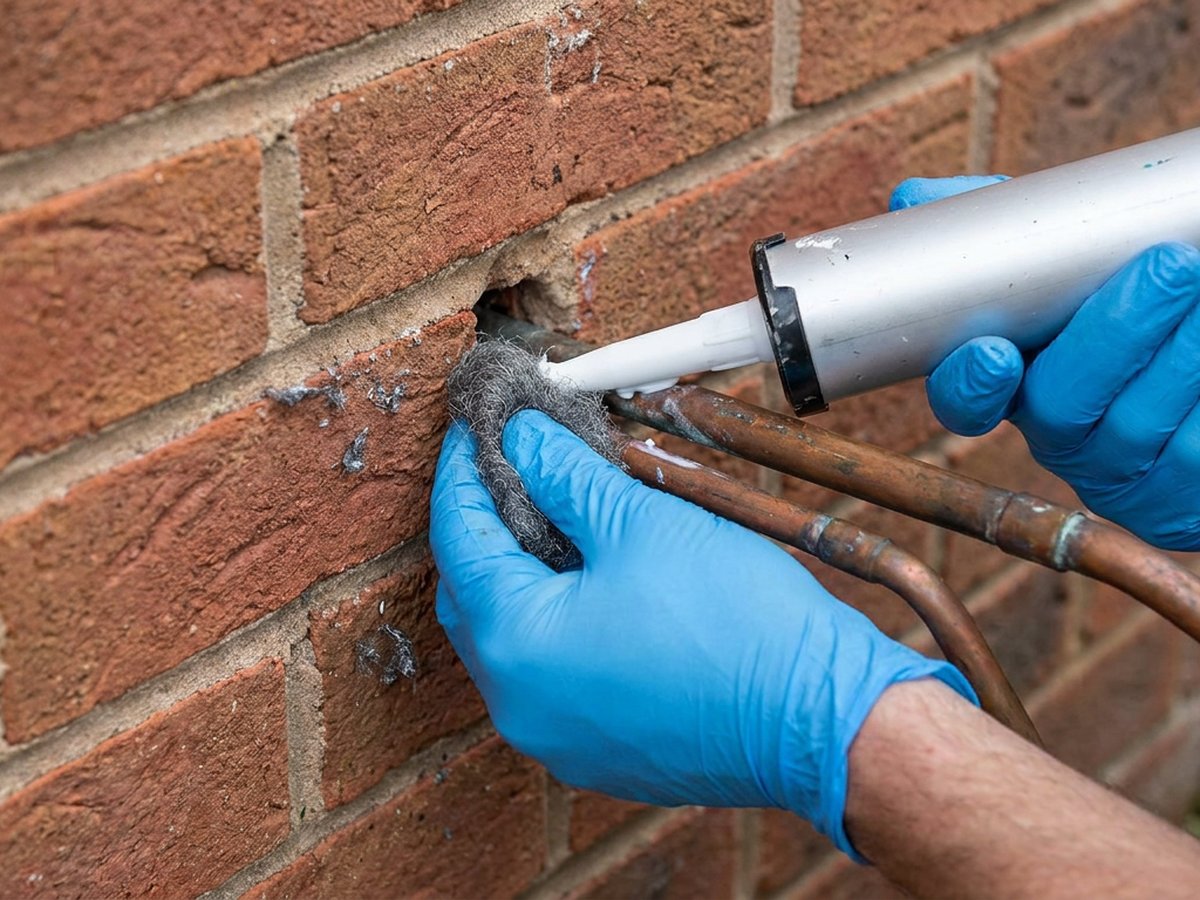
Sealing a rodent entry point at a slab-edge weep hole in Plano, TX

Trapping clears the rodents already inside your house. Exclusion is the work that stops the next ones from getting in, and on a slab-on-grade home it's a genuinely different job than it would be on a house with a crawl space or open foundation vents โ€” there's no underside to seal, so almost all of the vulnerability is at the roofline and at the slab edge itself. We inspect the full envelope: fascia and soffit returns, gable and roof vents, weep holes along brick veneer, utility and plumbing penetrations, garage door seals, and any gap where an addition or a roof-mounted solar array meets the original structure.

North Texas's expansive clay soil makes this an ongoing issue rather than a one-time fix. The ground swells during wet stretches and pulls back hard during a dry summer, and that seasonal movement opens and closes small gaps at the slab edge, around foundation penetrations, and at weep holes that were sized correctly when the house was built. A gap that was too tight for a mouse last spring can widen enough by August to let one through, which is part of why exclusion on a Plano home benefits from a periodic recheck rather than a single visit and done, especially on a home that's a decade or more old.

We use exclusion materials sized to actually stop the animal, not just visually plug the hole โ€” heavy-gauge galvanized hardware cloth, copper mesh for tight or irregular gaps, and cementitious patching for masonry and slab penetrations, never foam or loose steel wool as a standalone fix. This is genuinely different work from trapping, and it's the piece most bargain services skip entirely, since it takes longer, requires ladder work and material costs, and doesn't produce the visible, satisfying result of a sprung trap. Every sealed point is logged with a photo, and the work carries a workmanship warranty.

We also treat exclusion as a whole-envelope project rather than a single-gap fix, because a house that's vulnerable in one spot is usually vulnerable in more than one. It's common for us to seal a confirmed active entry point along with two or three other gaps found during the same inspection that hadn't been used yet but were clearly wide enough to be a matter of time, which is a big part of why a professional exclusion visit takes longer than most homeowners expect from a job that sounds as simple as "seal the hole." Call (305) 501-6723 for a full building-envelope exclusion inspection.

๐Ÿ“ž Call (305) 501-6723

Request This Service

* Indicates required field

Why Exclusion Matters More Than Trapping

Trapping without exclusion is like bailing water without patching the leak โ€” you clear what you can catch, and new rodents keep finding the same open gap behind you within weeks. Every job we run pairs the two: trapping to control what's active, exclusion to make sure the house stops being an easy target once it's clear. Homes that only ever trap tend to call us back within a year with a fresh litter using the same unsealed roofline gap or weep hole nobody ever closed the first time around, which ends up costing more in total service calls than doing the exclusion work up front would have.

The Slab-Home Envelope Inspection

Because there's no crawl space or foundation vent system to check on the overwhelming majority of Plano homes, our inspection concentrates on the roofline and the slab perimeter โ€” soffit returns, gable and ridge vents, fascia seams, brick veneer weep holes, and every utility or plumbing penetration at ground level. We get on a ladder for the roofline every time, since that's where roof rats and squirrels do most of their work, and check the garage door threshold and slab-to-wall transition at ground level, which is where mice most often get through unnoticed for months at a time before anyone realizes there's an opening at all.

Materials That Actually Hold Up

A rodent's front teeth never stop growing, so it gnaws constantly to keep them worn down โ€” including through spray foam and loose steel wool packed in on its own without backing. We use heavy-gauge galvanized hardware cloth for larger roofline and vent openings, copper mesh for tight or irregular gaps, and cement or mortar patching on masonry and slab penetrations, so the seal holds up against both gnawing and the seasonal expansion and contraction of North Texas clay soil year after year rather than needing to be redone every summer once the ground shifts again.

Sealing Weep Holes Without Trapping Moisture

Brick veneer weep holes are built into the wall on purpose, to let moisture escape from behind the brick, so sealing them solid is the wrong move โ€” it just trades a rodent problem for a moisture problem that can lead to mold or rot behind the brick over time. We install weep-hole-specific vents with rodent-proof mesh that keep the drainage function intact while closing the gap to anything bigger than an insect, which matters on both older brick homes near Historic Downtown Plano and newer veneer construction throughout the rest of the city, since builders across every era have relied on the same weep-hole design.

Rooflines, Solar Mounts & Squirrel-Sized Gaps

Squirrels and roof rats both work the roofline, so exclusion up top has to account for larger gaps too โ€” a damaged soffit panel, fascia that's pulled away from the roof deck, or a chewed opening around a roof vent boot or solar panel mounting bracket. Rooftop solar has gotten more common across Plano in the last several years, and the mounting hardware and conduit runs sometimes leave small unsealed gaps that weren't part of the original roof and don't always get inspected the same way older penetrations do, since most homeowners assume a newer installation was sealed correctly by default when it may not have been.

Garage Doors and Utility Penetrations

The garage door threshold is one of the highest-traffic entry points on a slab home, since the seal along the bottom is a wear item that shrinks, cracks, and warps under direct summer sun exposure faster than most homeowners expect. We check and, where needed, recommend replacement weatherstripping alongside our own sealing work at utility penetrations for water, gas, electrical, and cable lines entering the slab โ€” each one is a potential gap that a builder sealed once at construction and that may never have been checked again in the years since. Dryer vents deserve their own mention here, since the flap on an exterior dryer vent hood is a wear part that can bend, rust, or simply stop closing fully after years of use, leaving a gap that's exactly rodent-sized and easy to miss from ground level without looking closely at the hood itself.

Recognizing a Gap Before It's a Problem

Most homeowners don't know what to look for when it comes to a rodent-sized gap, since a quarter-inch opening around a pipe or a half-inch gap under a soffit panel doesn't look dangerous to the untrained eye. We walk you through what we find during the inspection so you understand why a specific spot is a risk, not just that it's being sealed, which also helps you spot a new one yourself down the road โ€” a shifted piece of siding, a gap that's opened up after a repair, or a spot where a contractor working on something unrelated left an opening they didn't think twice about.

What Exclusion Work Costs

Pricing scales with the number and type of gaps that need sealing โ€” a handful of small utility penetrations on a newer slab home is a smaller job than a full roofline, weep-hole, and garage-seal pass on an older house that's never had exclusion work done before. We give you a per-point breakdown after the inspection so you can see exactly what you're paying for, and can prioritize the highest-risk gaps first if you'd rather phase the work across more than one visit for budget reasons.

Licensed, Insured Exclusion Technicians

Exclusion work involves ladder access to rooflines and close work around utility and gas line penetrations, so every technician is trained in the relevant safety practices and covered by our liability insurance for the duration of the job. We're licensed for structural pest and exclusion work in Texas, and can provide proof of licensing and insurance to a property manager, HOA, or general contractor who needs documentation on file before authorizing roofline or exterior work on a property they oversee.

How Long Exclusion Work Takes

A handful of straightforward gaps around a newer slab home's utility penetrations can often be sealed in a single visit lasting a couple of hours from start to finish. A full-envelope exclusion on an older home with multiple roofline, weep-hole, and foundation vulnerabilities takes longer and is sometimes split across more than one visit, particularly if ladder work on a steep or two-story roofline needs its own dedicated time slot. We give you a realistic estimate of visit length once the inspection has identified everything that actually needs sealing, rather than a generic one-size number quoted over the phone.

Areas We Serve

Proudly providing rodent control across the region:

Get Rodent Exclusion & Entry Point Sealing in Plano Today

Fast response, upfront pricing, and friendly local pros. Call now for a free quote.

๐Ÿ“ž Call (305) 501-6723