
๐Ÿ“ž Call for a Free Quote: (305) 501-6723

Dead Rodent Removal & Odor Control in Plano, TX

Technician using a borescope camera to locate a dead rodent in a Plano, TX wall

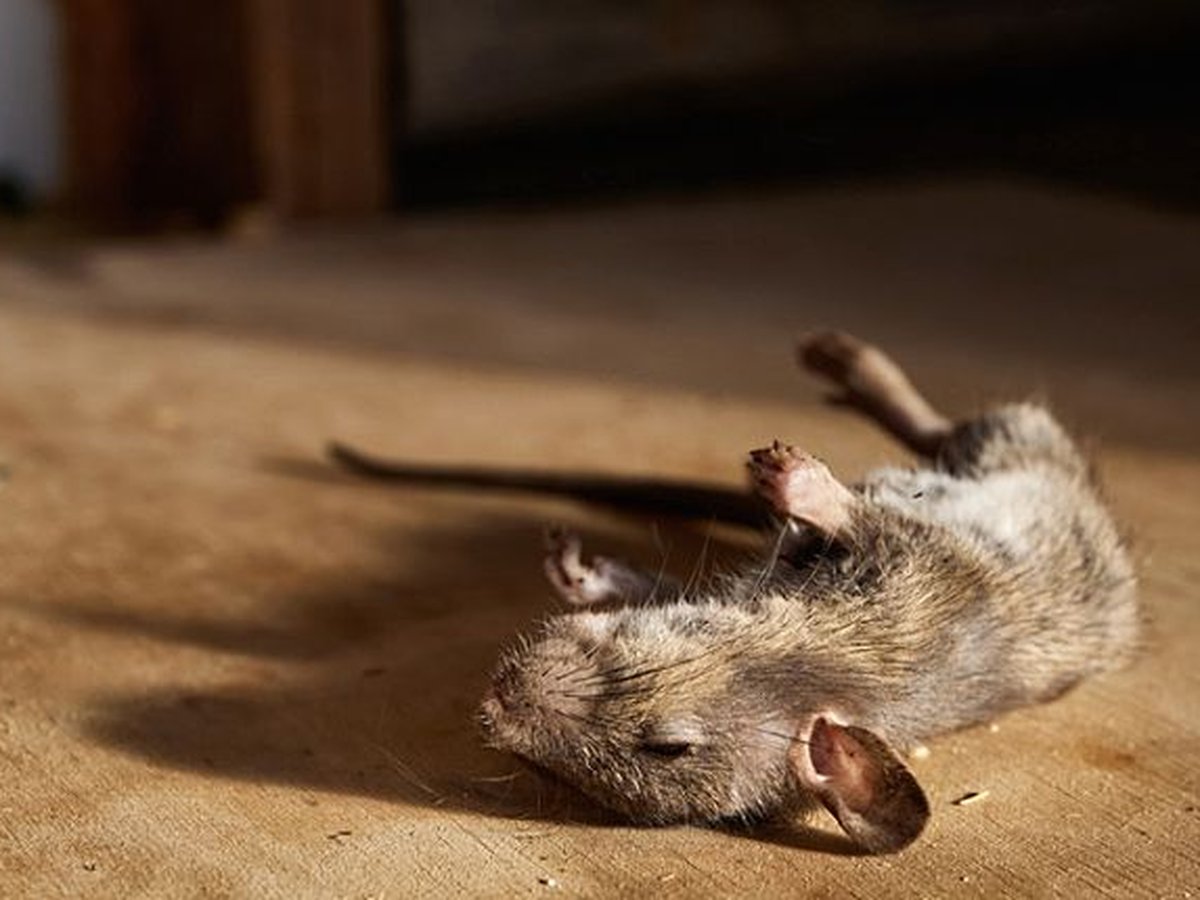
A dead rodent in a wall void or attic doesn't announce itself politely โ€” the smell shows up two to four days after it dies, gets noticeably worse as it warms up, and in Plano's summer heat, an attic running 130-plus degrees can accelerate that timeline and intensify the odor within a single afternoon rather than the day or two it might take in a cooler space. Because there's no crawl space underneath most Plano homes, a dead rodent is almost always up rather than down โ€” inside a wall cavity, between attic joists, or, in a genuinely unpleasant but not uncommon case, inside a duct run where a rodent got in through a damaged section and couldn't get back out.

Finding the source is the hard part. We work from the strongest odor concentration, checking wall voids near the smell with a moisture meter and, where needed, a borescope camera to locate the carcass without opening up more drywall than necessary. Duct-run cases take special attention, since the smell can travel through the whole system and seem to be coming from a vent far from the actual location โ€” we trace airflow and check accessible duct sections systematically rather than guessing at the nearest register and cutting into the wrong section of ceiling.

Once located, we remove the carcass, clean and disinfect the immediate area, and treat the odor at the source with an enzyme or antimicrobial product rather than masking it with a spray that fades in a day and leaves the underlying problem untouched. If the smell is coming from inside a wall cavity that can't be reached without opening drywall, we'll walk you through the access options before doing any cutting, so you know exactly what's involved before we start.

This service pairs naturally with an inspection, since a dead rodent is rarely the only one that was active in the house, and we'll flag whatever entry points and remaining activity we find along the way. Call (305) 501-6723 โ€” most dead rodent calls in Plano get same-day or next-day service given how quickly the odor escalates once it starts.

๐Ÿ“ž Call (305) 501-6723

Request This Service

* Indicates required field

Why the Smell Shows Up When It Does

Decomposition odor typically becomes noticeable two to four days after a rodent dies, once gases build up enough to escape through nearby gaps in drywall, flooring, or a duct boot. In a hot Plano attic during summer, elevated temperatures speed up decomposition and can make the smell both stronger and faster to develop than it would in a cooler, more ventilated space โ€” which is part of why a dead-rodent call in July often escalates faster than the same situation would in cooler months, sometimes going from unnoticeable to overwhelming within a single hot weekend.

Locating a Carcass in a Wall or Attic

We start at the point of strongest odor concentration and work outward, since smell alone can be misleading in an attic with open airflow or a duct system pulling air across a wide area of the house. A moisture meter helps flag decomposition activity behind drywall, and a borescope camera lets us confirm a location through a small access hole before committing to opening up a larger section of wall or ceiling that may not even need to come down.

When It's in the Ductwork

A rodent that gets into a duct run through a gap or a damaged section sometimes can't find its way back out, and a carcass lodged inside ductwork spreads odor through the whole HVAC system rather than staying localized โ€” which is why the smell can seem to come from a register on the opposite side of the house from the actual location. We trace airflow patterns and check accessible duct sections and boots systematically, and coordinate with an HVAC technician for enclosed sections we can't reach directly without specialized access equipment.

Cleanup and Odor Elimination

Once the carcass is removed, residual odor and any fluid staining on drywall, insulation, or subfloor need direct treatment, not just ventilation and time, since the material itself has absorbed the source of the smell. We use an enzyme or antimicrobial product that breaks down the odor source at a molecular level rather than a fragrance-based spray that only masks it temporarily, and we confirm the area is odor-free before considering the job complete rather than assuming it's handled once the carcass is out.

Preventing the Next One

A dead rodent almost always means there was a live population nearby, and finding one carcass without addressing the entry point and remaining activity just delays the next odor call by a few weeks at most. We recommend a full inspection alongside dead rodent removal so we can identify how the animal got in and whether trapping or exclusion work is needed to prevent a repeat call to the same address.

Multiple Carcasses and Larger Die-Offs

Occasionally a home that's had bait placed by a previous pest control company or a DIY effort ends up with more than one carcass at once, since bait-based control can cause several animals to die in different parts of a wall or attic system over the same few days. We check thoroughly rather than stopping at the first carcass found, since a single locate-and-remove visit that misses a second animal just means another odor call within the week, often after the homeowner assumed the problem was fully resolved.

Dead Rodents in Vehicles and Garages

A rodent that dies inside a parked vehicle's cabin air filter housing, under a hood, or inside a stored appliance in the garage can produce an odor just as strong as one in a wall, and the location is often less obvious since most homeowners don't think to check there first. We can inspect and locate a carcass in these areas as well, and coordinate with an auto shop when the location is inside a vehicle's ventilation system and needs mechanical disassembly to access properly.

When a Live Population Is Still Present

Finding and removing a dead rodent addresses the immediate odor, but if there's still an active population in the same attic or wall system, you're likely to be back in the same situation within weeks. We check for current activity signs โ€” fresh droppings, new gnaw marks, active rub trails โ€” during every dead rodent call, and we'll recommend trapping and exclusion on the spot if the inspection shows the problem isn't actually over.

Why We Don't Recommend Bait as a First Option

Bait-based rodent control can cause an animal to die somewhere inaccessible inside a wall or attic void rather than in a trap you can check, which is exactly how most of the dead rodent calls we get start in the first place, sometimes from bait a previous company or a DIY effort placed weeks earlier. We generally favor trapping over bait for that reason on a residential job, since a trapped animal has a known, checkable location while a baited one doesn't, and we'll explain the tradeoffs plainly if a specific situation calls for bait instead.

What to Do If You Notice a Smell Before We Arrive

Opening windows and running fans can help make the space more tolerable while you wait, but avoid spraying heavy fragrance products directly on the suspected area, since that can actually make locating the source harder once we arrive by masking the scent trail we rely on. If you can narrow down which room or which side of the attic the smell is strongest in, and roughly how long it's been noticeable, that information speeds up the locate process considerably once a technician is on site.

Odor That Isn't From a Rodent

Not every unpleasant smell that gets reported as a dead rodent actually turns out to be one โ€” a failed sewer trap, a dead insect nest, or an HVAC condensate issue can all produce a similar musty or foul odor. We inspect honestly rather than assuming the worst just because that's what the call was booked for, and we'll tell you plainly if what we're finding points to a different source so you're not paying for a rodent-specific treatment that wouldn't actually solve the problem.

Areas We Serve

Proudly providing rodent control across the region:

Get Dead Rodent Removal & Odor Control in Plano Today

Fast response, upfront pricing, and friendly local pros. Call now for a free quote.

๐Ÿ“ž Call (305) 501-6723